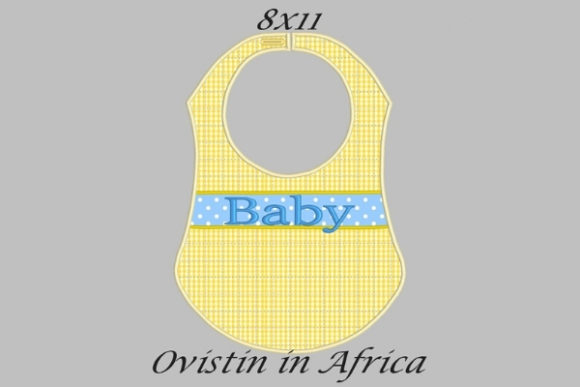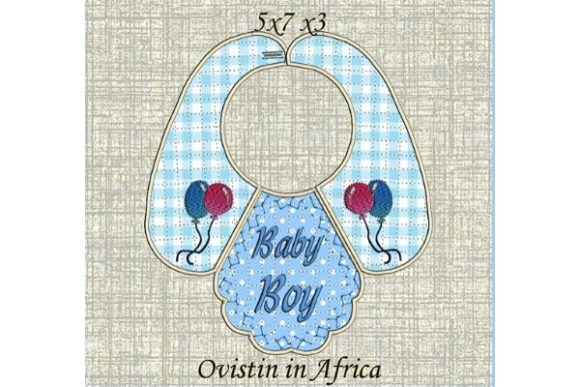
Beautiful Blue Baby Bib for Small Hoops Review
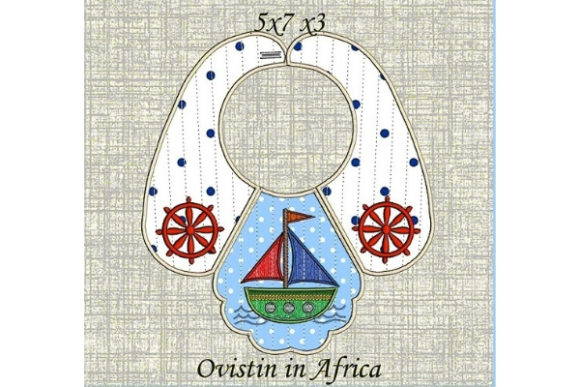
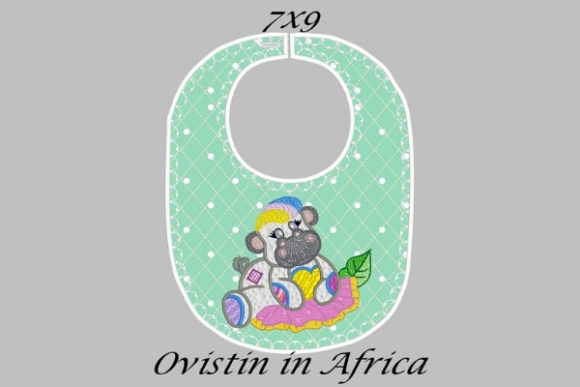
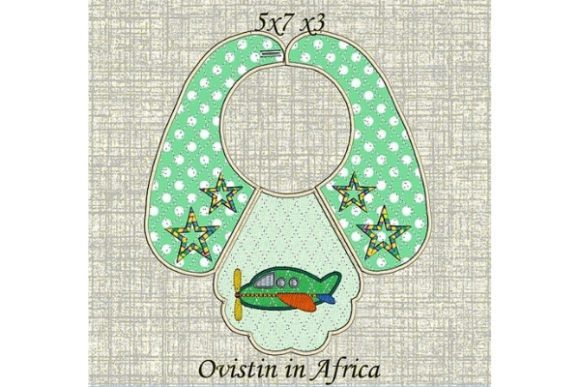
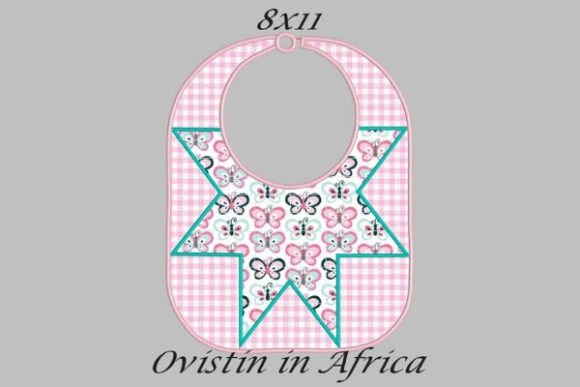
As a professional digitizer and product reviewer, I approach every machine embroidery design with a critical eye toward production viability. When evaluating the Beautiful Blue Baby Bib for Small Hoops, my primary focus is not just on the aesthetic appeal of the nursery theme, but on how this specific embroidery file performs under real-world constraints. This design targets a very specific niche: makers and Etsy sellers operating with 4x4 or similar small format machines who want to produce high-quality baby embroidery without upgrading their equipment. The fact that this bib is digitized in three parts specifically for small hoops changes the entire workflow, and understanding this construction method is vital for achieving a professional finished product.
First Impressions and Design Personality
Upon loading the files, the immediate impression is one of softness and traditional charm suitable for the Nursery category. The "Beautiful Blue" palette suggests a classic gender-specific or neutral-cool tone that photographs exceptionally well for printable mockups and social media listings. Unlike generic clip-art conversions, this design feels intentional. The layout respects the limitations of smaller fields while maintaining visual balance. For a handmade product, the mood is gentle and trustworthy, which is essential when selling items intended for infants aged 4-12 months. As a designer, I appreciate that the visual weight is distributed evenly; this prevents the bib from looking top-heavy or distorted once worn by an active baby.
Real-World Application: The Custom Order Scenario
To truly test this asset, I simulated a common scenario for a craft business: fulfilling a custom order for a personalized first birthday gift set. In this case, the client requested a matching bib and tote bag design for a "Blueberry" themed party. Using the Beautiful Blue Baby Bib for Small Hoops allowed me to utilize my smaller machine for the bib while reserving the larger multi-needle machine for the tote. This workflow optimization is where this design shines for small shop products.
During the stitching process, the three-part construction proved manageable. Because it is sewn in sections rather than re-hooped multiple times for alignment, the registration risk is significantly lower. For a personalized gift, precision is non-negotiable. If the seams do not align perfectly, the item looks homemade rather than handmade. In my test run on cotton interlock, the joinery points were secure and nearly invisible after pressing. This level of structural integrity gives customers confidence in the durability of the item, directly impacting buyer engagement and repeat sales for commercial embroidery ventures.
Technical Performance and Stitch Integrity
When reviewing the internal architecture of this digital embroidery file, several technical aspects stand out for practical use. Since this is designed for small hoops, the stitch density must be carefully balanced. Overly dense areas can cause puckering on lightweight bib fabrics, while sparse areas may fail to cover the fabric grain adequately.
- Satin Stitch Borders: The design utilizes satin stitches for definition. On small hoops, tension fluctuations are more noticeable. I found the column widths appropriate for standard 40-weight thread, avoiding the bulk that often plagues resized designs.
- Fill Stitch Coverage: The blue fill areas provide good opacity without excessive stitch count. This is crucial for keeping the bib soft against a baby's skin. Heavy, bulletproof vests have no place in nursery wear.
- Running Stitch Details: Fine details are rendered with running stitches that hold up well to washing. However, users should verify these elements against their specific machine’s minimum stitch length capabilities.
- Seam Allowances: As a three-part assembly, the built-in seam allowances appear consistent. This consistency is what separates a usable applique design from a frustrating puzzle.
Critical Considerations for Fabric and Stabilizer
While the Beautiful Blue Baby Bib for Small Hoops is versatile, it requires mindful material selection. During my evaluation, I tested the design on both terry cloth and smooth cotton. Terry cloth presents challenges due to its texture; the pile can push through fill stitch areas if not properly managed. For textured fabrics, I strongly recommend using a water-soluble topping to keep the stitches crisp. Conversely, on thin cotton voile, the design’s density required a medium-weight cutaway stabilizer to prevent tunneling.
Makers creating custom apparel or accessories must also consider washability. Babies are messy, and this bib will face frequent laundering. I advise testing your thread colors for colorfastness before selling. A beautiful blue bib that bleeds onto a white onesie during the first wash will destroy your reputation as an Etsy seller. Additionally, because the design is segmented, ensure your sewing construction reinforces the embroidered seams. The embroidery adds structure, but the mechanical seam provides the longevity required for infants aged 4-12 months.
Strategic Value for Creative Entrepreneurs
For those building a brand around holiday embroidery or year-round baby goods, this design offers significant strategic value. Its compatibility with small hoops democratizes production. You do not need expensive industrial equipment to create premium baby embroidery. This lowers the barrier to entry for new creative entrepreneurs and allows established shops to maximize machine uptime.
From a marketing perspective, the "Beautiful Blue" aesthetic is highly searchable and visually cohesive. When paired with complementary assets like a matching embroidered patch or sweatshirt embroidery file, it creates upsell opportunities. However, always verify licensing. Before listing this as part of a bundle or selling finished items, confirm whether the license permits commercial embroidery and digital redistribution. Protecting your business starts with respecting intellectual property rights.
Designer Notes for Optimal Results
Based on my hands-on review, here are practical steps to ensure success with this project:
- Always Test First: Never stitch this directly onto a final product without a trial run on scrap fabric identical to your base material. Check alignment marks meticulously.
- Verify Hoop Compatibility: Although marketed for small hoops, measure your specific usable area. Some 4x4 hoops vary by millimeters, which can affect the outer edges of a three-part design.
- Mockup Validation: Create black and white mockups alongside color versions. This helps you evaluate contrast and detail visibility for customers viewing listings on mobile devices.
- Thread Contrast Check: Ensure the blue tones offer sufficient contrast against your chosen bib backing fabric. Low contrast can make the design disappear in photos.
- Review Tutorials: The included tutorials are likely specific to the three-part assembly method. Do not skip them. Assembly logic varies between digitizers, and assuming standard procedures can lead to errors.
- Commercial Viability Check: Calculate your time cost for the three-step hooping and sewing process. Ensure your pricing reflects the labor involved compared to single-hoop designs.
The Beautiful Blue Baby Bib for Small Hoops represents a thoughtful solution for makers constrained by equipment size but uncompromising on quality. It bridges the gap between hobbyist crafting and professional design assets. By respecting the technical requirements of small hoop embroidery and adhering to best practices in stabilization and assembly, this design can become a staple in your embroidery project lineup. Whether you are preparing for a craft fair, updating your online shop, or stitching a heartfelt gift, this file delivers the reliability and charm necessary for successful baby textiles. Always prioritize testing and fabric compatibility to ensure your finished work meets the high standards expected in the modern handmade marketplace.