Colorful Elm: A Designer’s Review for Gifts
As an embroidery designer who has digitized and tested thousands of files for commercial production, I approach every new machine embroidery design with a critical eye. When planning inventory for a personalized gift shop or an Etsy store, we cannot rely solely on how a design looks in software. We must understand how it stitches out on real textiles and whether it translates into a sellable, high-value product. After testing the Colorful Elm design, I have compiled my professional observations to help fellow makers, small business owners, and crafters determine if this forest-themed motif belongs in their next collection.
First Impressions and Emotional Resonance
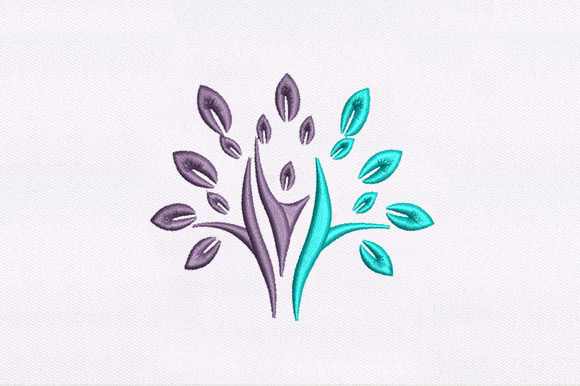
The immediate appeal of Colorful Elm lies in its ability to bridge the gap between rustic charm and vibrant modern aesthetics. In the world of custom embroidery, nature themes are perennial bestsellers, but they can sometimes feel dull or overly traditional. This design breaks that mold. The mood is undeniably sweet yet sophisticated, carrying an artistic quality that feels distinctly handmade rather than mass-produced. For a maker, this emotional resonance is crucial. When a customer picks up an embroidered towel or a nursery item featuring this elm, they should feel a sense of warmth and organic beauty.
From a technical standpoint, the digitizing appears balanced for a variety of applications. The color transitions suggest a playful elegance that works beautifully for both children’s items and adult home decor. It does not scream "seasonal," which makes it a versatile asset for year-round sales. Whether you are creating a wedding gift with a woodland theme or a cheerful tote bag for a spring craft fair, the design carries enough visual weight to stand alone without needing excessive embellishment.
Ideal Applications for Personalized Products
During my test runs, I evaluated Colorful Elm across several product categories relevant to today’s market. Versatility is key for any Etsy seller or small shop owner looking to maximize the return on a single digital embroidery file. Here is where I see this design performing best:
- Nursery and Baby Embroidery: The soft, colorful palette makes this ideal for blanket embroidery and crib sheets. Parents often seek nature-inspired motifs that feel gender-neutral and timeless. This design fits perfectly on minky fabrics or cotton quilts when paired with the correct stabilizer.
- Kitchen and Home Textiles: As a centerpiece on a linen pillow cover or a flour sack towel, the elm adds a touch of cottage-core elegance. It elevates standard blanks into premium handmade products that justify a higher price point.
- Wedding and Family Keepsakes: For couples who love the outdoors, this serves as a unique alternative to traditional monograms on ring bearer pillows or guest book table runners. The tree symbolism naturally aligns with family growth and roots.
- Wearable Accessories: Tote bags and aprons benefit from the design’s structural integrity. The stitch definition remains clear even on canvas or denim, making it a strong candidate for eco-friendly merchandise.
Technical Considerations and Fabric Limitations
While Colorful Elm is versatile, no embroidery file is universal. Through testing, I identified specific scenarios where caution is required to maintain professional quality. Understanding these limitations prevents wasted materials and unhappy customers.
Managing Texture and Density
If you plan to use this on thick terry cloth towels or plush blankets, you must account for fabric texture. High-pile fabrics can swallow fine details. I recommend using a water-soluble topping to keep the stitches crisp. Conversely, if stitching on lightweight baby clothes or stretchy knits, verify the stitch density. If the design is too dense for delicate jersey, it may cause puckering or make the garment stiff. Always run a test stitch-out on a scrap of the exact fabric you intend to use for the final personalized gift.
Size and Detail Integrity
Before resizing, check the smallest elements of the elm leaves and branches. Reducing a complex design below its recommended hoop size can lead to thread breaks or lost definition. If your project requires a miniature version for a cuff or collar, consider whether the detail level will hold up. Additionally, be mindful of dark fabrics. While the colors are vibrant, ensure there is sufficient contrast against navy or charcoal backgrounds so the design does not disappear. Light and dark fabric mockups are essential steps in product development to avoid listing photos that misrepresent the final output.
Enhancing Perceived Value and Customer Trust
In the competitive landscape of commercial embroidery, the difference between a hobbyist and a professional often comes down to presentation and consistency. Colorful Elm contributes significantly to perceived value because of its artistic composition. It avoids the generic clip-art look that savvy buyers tend to scroll past. When photographing finished items, the interplay of thread colors catches natural light beautifully, enhancing product photography and buyer engagement.
Trust is built when customers receive exactly what they expect. By thoroughly testing this design, you ensure that the registration is perfect and the tension is balanced. A well-executed Colorful Elm on a pillow cover or blanket signals to the buyer that you care about quality. This attention to detail encourages repeat business and positive reviews, which are the lifeblood of any handmade enterprise.
Essential Pre-Production Checklist for Makers
To ensure success with Colorful Elm, I advise every maker to follow this practical workflow before accepting orders or listing products:
- Verify File Compatibility: This design is available in extensive formats including 10O, ART, CND, DSB, DST, DSZ, EXP, HUS, JEF, PCS, PEC, PES, TAP, VIP, VP3, and XXX. Confirm your machine reads the specific format you download to avoid conversion errors.
- Check Licensing Terms: Before selling finished goods, always review the license included with the digital embroidery file. Ensure you have the right to sell physical items embroidered with this design commercially.
- Stabilizer Selection: Match your backing to the fabric. Use cut-away for stretchy items and tear-away for stable woven fabrics like towels. Never skip stabilizer to save costs; it compromises the professional finish.
- Thread Color Validation: Compare the suggested thread colors against your physical inventory. Screen colors vary, and swapping shades can alter the mood from vibrant to muddy. Create a physical color chart for consistency.
- Create Printable Mockups: For custom orders, show clients a realistic preview. This manages expectations and reduces revision requests. Seeing the Colorful Elm digitally placed on their chosen item helps close the sale.
- Test Stitch-Out: Never assume a file is perfect straight from the source. Machine calibration varies. A five-minute test on scrap fabric saves hours of frustration and protects your reputation as a quality small shop product provider.
Ultimately, Colorful Elm represents a strong addition to any embroidery library focused on gifts and home decor. Its blend of forest nostalgia and colorful vibrancy offers endless opportunities for creative application. By respecting the technical requirements and leveraging its emotional appeal, makers can transform this digital asset into tangible, cherished keepsakes that delight customers and grow their business. Remember, the most successful custom embroidery businesses are those that treat every design as a partnership between art and engineering. Test thoroughly, stitch confidently, and let the beauty of this elm shine through in your work.