Designer Glasses: An Embroidery Design Review
As a professional embroidery designer who frequently sources assets for commercial projects and Etsy listings, I approach every new machine embroidery design with a critical eye. When browsing the Beauty category on Creative Fabrica, the "Designer Glasses" design immediately caught my attention. Eyewear motifs are surprisingly versatile, bridging the gap between fashion-forward apparel and quirky, intellectual aesthetics. However, visual appeal on a screen does not always translate to a clean stitch-out on fabric. After evaluating this design for potential use in real-world handmade products, here is my honest assessment of its performance, versatility, and value for creative entrepreneurs.
First Impressions and Visual Mood
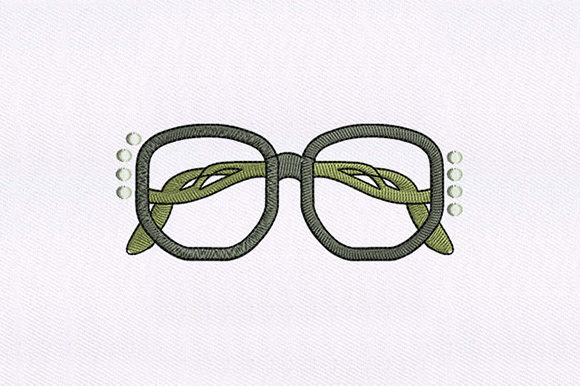
The Designer Glasses motif carries a distinct personality that sets it apart from generic beauty icons. It strikes a balance between retro charm and modern chic, making it an excellent candidate for brands targeting a demographic that appreciates both style and substance. Visually, the lines appear clean, suggesting a digitizing style that prioritizes clarity over unnecessary complexity. This is crucial when working with smaller hoop sizes or detailed areas like the bridge and temples of the glasses.
For those of us creating custom apparel or boutique merchandise, the mood of this design lends itself perfectly to sweatshirts, tote bags, and even niche accessories like cosmetic pouches. It avoids being overly cutesy, which expands its marketability to adult consumers looking for sophisticated handmade products. The aesthetic suggests it would pair beautifully with minimalist typography or floral accents, allowing for easy customization in printable mockups before committing thread to fabric.
Performance Across Different Substrates
A digital file is only as good as its stitch-out on physical media. In reviewing Designer Glasses, I considered how it would perform across the varied inventory typical of a small embroidery business. The inclusion of formats such as PES, JEF, DST, VP3, and XXX indicates broad machine compatibility, but substrate choice remains the variable we must control.
Apparel and Wearables
For sweatshirt embroidery and custom tees, this design shows strong potential. The key here will be managing stitch density. If the glasses feature solid fill stitch areas, they will provide excellent coverage on fleece and French terry. However, if you are placing this on a stretchy knit, proper stabilization is non-negotiable. I recommend testing on scrap fabric first to ensure the design does not pucker around the frames. For caps, the curved surface requires careful hooping; if the design includes intricate satin stitch details on the rims, you may need to adjust your cap backing to prevent registration issues.
Totes, Towels, and Home Goods
Eyewear motifs are uniquely suited for items associated with reading, relaxation, and self-care. I can envision Designer Glasses as a centerpiece on a tote bag design intended for book lovers or as a cute accent on kitchen towels for a baking-themed gift set. On textured fabrics like terry cloth or canvas, the design needs enough density to sit on top of the weave without getting lost. Conversely, for pillow covers and nursery decor, a lighter touch might be preferable to maintain fabric drape. Always verify if the embroidery file offers multiple size variations to accommodate these different end uses without compromising detail integrity.
Technical Considerations for Commercial Use
When integrating any Creative Fabrica embroidery asset into a production workflow, technical due diligence protects your reputation. While the product description lists extensive file formats including ART, HUS, and EXP, it is vital to open the specific file compatible with your machine to inspect the actual stitch data before listing any finished product for sale.
- Stitch Density and Fabric Match: Inspect the density settings in your software. If the Designer Glasses design is too dense for lightweight fabrics like baby blankets or silk, consider using a tear-away stabilizer or reducing density slightly to prevent stiffness. For heavy denim or canvas, ensure there is adequate underlay to support the top stitches.
- Thread Color Contrast: Eyewear designs rely heavily on outline definition. Test thread colors against both light and dark backgrounds. A black frame on navy fabric may disappear unless you use a contrasting outline or a metallic accent thread. High contrast ensures the design reads well in product photography and from a distance.
- Small Details and Lettering: If the design includes tiny text or intricate hinge details, these are often the first points of failure. Check that running stitch elements are long enough to prevent needle breaks and that satin columns are wide enough to avoid tunneling. If details are too fine for your target fabric, editing may be necessary.
- Washability and Durability: For items like aprons, baby bibs, or kids' apparel that require frequent washing, durability is paramount. Ensure all jumps are trimmed cleanly and that the design has sufficient anchoring stitches. A beautiful design that unravels after three wash cycles will destroy buyer trust.
Enhancing Product Value and Brand Consistency
Beyond the technical stitch-out, Designer Glasses offers strategic value for shop owners. In the saturated market of commercial embroidery, niche specificity wins customers. This design allows you to tap into the "bookish," "academic," or "fashion beauty" niches without requiring complex custom digitizing.
Using consistent design assets like this helps build brand recognition. If you sell a line of reading-themed personalized gifts, having a reliable, high-quality glasses motif creates visual cohesion across your catalog. Furthermore, because eyewear is gender-neutral and ageless, it broadens your potential customer base compared to more gender-specific beauty icons. When creating listings, highlight the versatility of the motif. Show it stitched on a denim jacket, a library tote, and a spa headband to demonstrate its range to potential buyers.
Practical Notes for Safe Implementation
Before adding items featuring Designer Glasses to your Etsy shop or craft fair table, adhere to these best practices to ensure professional results:
- Verify Licensing: Always double-check the current license terms on the Creative Fabrica product page. Confirm whether the license covers commercial use for physical embroidered patches and finished goods, and note any limitations on mass production or digital redistribution.
- Create Physical Samples: Never rely solely on digital previews. Stitch out the design on the exact fabric and with the exact stabilizer combination you intend to sell. Photograph the actual sample for your listings to manage customer expectations regarding texture and scale.
- Test Wash Protocol: For wearable items, wash and dry your test sample according to the garment’s care label. Inspect the embroidery afterward for shrinkage, puckering, or thread loss. This step prevents returns and negative reviews.
- Mockup Accuracy: When using design assets for marketing, ensure your printable mockups accurately represent the stitch texture. Customers appreciate seeing what the embroidery actually looks like, not just a flat vector graphic.
Final Thoughts for Embroidery Professionals
Designer Glasses represents a solid addition to the library of any embroiderer focusing on beauty, fashion, or lifestyle products. Its strength lies in its thematic versatility and potential for cross-category application. By paying close attention to stabilization, density, and fabric compatibility, you can transform this digital embroidery file into a profitable line of unique, high-quality handmade goods. As with any tool in our trade, success comes not just from the design itself, but from the skill and care applied during execution. Take the time to test, refine, and validate your process, and this motif could become a staple in your commercial embroidery repertoire.