Easter Polygonal Egg: Modern Merch Review
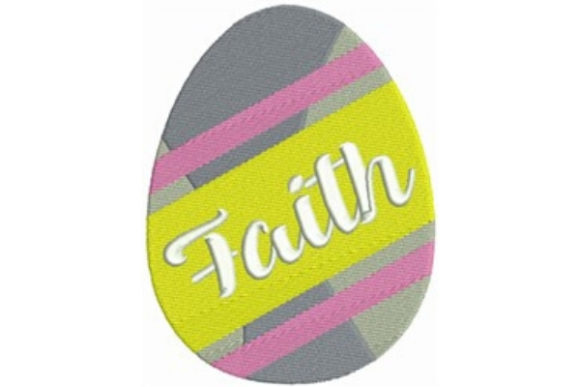
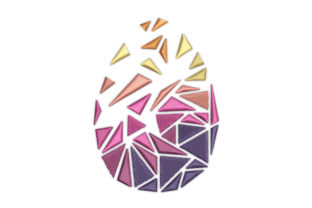
As an embroidery designer focused on commercial applications, I approach seasonal assets differently than a hobbyist might. When evaluating the Easter Polygonal Egg for small business merchandise, my primary concern is not just aesthetic appeal, but production viability and brand alignment. This machine embroidery design offers a distinct departure from traditional, ornate Easter motifs. Its geometric, modern structure suggests it was created with contemporary branding in mind rather than vintage decoration. For business owners, apparel decorators, and Etsy sellers, this distinction is critical. A polygonal style translates exceptionally well to digital mockups and modern retail environments, offering a fresh alternative to the pastel florals that saturate the market every spring.
Visual Personality and Brand Alignment
The first impression of the Easter Polygonal Egg is undeniably modern and clean. In the context of brand identity, geometric shapes communicate stability, precision, and contemporary relevance. Unlike intricate baroque or realistic egg designs that can appear muddy when scaled down, the angular nature of this design retains clarity at various sizes. This makes it an excellent candidate for businesses that want to acknowledge the season without compromising their professional aesthetic.
For a creative studio, boutique, or coffee shop, this design bridges the gap between festive and functional. It does not scream "holiday novelty" in a way that renders merchandise obsolete after Sunday. Instead, it acts as a subtle seasonal accent that complements minimalist packaging, modern uniforms, and artisanal product lines. The visual weight of the polygonal facets allows for bold thread colors without overwhelming the garment, making it versatile enough for both light and dark backgrounds.
Commercial Applications for Small Business Merch
When integrating this embroidery file into a commercial workflow, versatility is key. Based on the design’s structural characteristics, here is how the Easter Polygonal Egg performs across different small business merch categories:
- Embroidered Patches: The defined edges of a polygonal design are ideal for merrowed borders or heat-cut patches. The geometry holds its shape better than organic curves during the cutting process, resulting in a cleaner finished product for resale or staff incentives.
- Apron Embroidery: For bakeries and florists, chest placement on aprons requires a design that reads quickly. The faceted surface area provides ample space for color blocking, allowing you to match specific brand thread colors while maintaining high visibility against canvas or denim fabrics.
- Tote Bag Design: Canvas totes often have a coarse weave. Detailed satin stitches can get lost in the texture, but the likely fill patterns used in a polygonal design sit atop the fabric texture more effectively. This ensures the design remains crisp even on uncoated cotton shoppers.
- Cap Embroidery: Curved surfaces present registration challenges. However, geometric designs often forgive minor shifting better than photorealistic images because the human eye expects straight lines and angles. This makes the Easter Polygonal Egg a safer bet for structured caps than complex scenic Easter art.
- Custom Apparel Accents: As a sleeve detail or hem tag on work shirts, this design adds value without dominating the garment. It serves as a limited-edition marker that encourages customer engagement during the spring season.
Production Considerations and Technical Limits
While the Easter Polygonal Egg is a strong contender for commercial embroidery, experienced digitizers know that every design has limits. Before running bulk production, you must evaluate specific technical constraints to avoid costly reworks.
Stitch Density and Fabric Texture
Polygonal fills can sometimes result in high stitch density where multiple facets meet. On lightweight performance wear or fine linens, this concentration can cause puckering or fabric distortion. Always test the design on the exact substrate you intend to use. If you are embroidering on textured pique polos or heavy canvas, ensure your stabilizer choice supports the density. A cutaway stabilizer is generally recommended for geometric fills to maintain the sharpness of the angles over time and through industrial laundering.
Scaling and Detail Retention
Modern designs often rely on precise line work. If you plan to resize the Easter Polygonal Egg for tiny applications like collar tags or baby onesies, verify that the internal details do not merge. While the description notes this is a great Easter design for modern projects, resizing any digital embroidery file beyond 10-15% can alter stitch properties. For extreme size reductions, consider using a simplified version or consulting a digitizer to adjust the underlay specifically for the smaller hoop size.
Thread Color Management
The faceted nature of this design likely utilizes multiple thread colors to create depth. For small business merch, excessive color changes increase production time and cost. Review the color chart included with the embroidery file. Can you consolidate shades to match your existing inventory? Sometimes reducing three similar shades to one solid brand color actually enhances the modern, graphic look while streamlining the manufacturing process.
Strategic Value for Handmade and Retail Brands
Beyond the technical execution, the Easter Polygonal Egg serves a strategic purpose for handmade brands and retailers. Seasonal merchandise drives traffic, but only if it aligns with the customer's perception of your quality. A sloppy or overly cutesy Easter design can dilute a premium brand image. Conversely, this architectural interpretation signals thoughtfulness and design literacy.
For Etsy sellers, this design offers differentiation. Search results for Easter embroidery are saturated; standing out requires a unique visual hook. Using a polygonal aesthetic attracts buyers looking for modern nursery decor, gender-neutral spring apparel, or contemporary gift items. Furthermore, because the design comes with multiple embroidery file formats, it integrates seamlessly into diverse production ecosystems, whether you are using a single-needle home machine for prototyping or a multi-head commercial machine for fulfillment.
Designer Notes: Pre-Production Checklist
Before listing products or stitching uniforms, adhere to this professional validation protocol:
- Verify Licensing: Confirm the commercial usage rights for this specific digital embroidery file. Ensure you are permitted to sell physical items featuring the Easter Polygonal Egg, as licensing terms vary by designer.
- Run a Black and White Test: Stitch the design in a single neutral color first. This reveals the true structure and underlay quality without the distraction of color gradients. If the geometry looks distorted in monochrome, it will not hold up in full color.
- Create Printable Mockups: Use software to place the design on photos of your actual blanks. Share these printable mockups with clients or focus groups before production to gauge interest and confirm placement preferences.
- Check Hoop Compatibility: Measure the design dimensions against your available hoops. Avoid hooping near the maximum limit; leave adequate clearance for smooth fabric tensioning.
- Wash Test: If this is for staff uniforms or children’s wear, wash and dry the test sample three times. Inspect the polygonal edges for fraying or pull-out. Geometric corners are stress points that may require additional lock stitches if they fail testing.
- Compare Beside Existing Assets: Print the design and place it next to your current logo and branding materials. Ensure the line weight and visual complexity harmonize with your established design assets.
The Easter Polygonal Egg represents a smart intersection of seasonal relevance and modern design principles. By treating it as a commercial asset rather than mere decoration, small businesses can leverage this machine embroidery design to create merchandise that feels intentional, professional, and distinctly ownable. Whether applied to a florist’s apron or a tech startup’s spring giveaway, its geometric clarity ensures your brand remains the focal point, with the holiday serving as a timely, stylish backdrop.