Happy Little Dragon: A Boutique Sweatshirt Review
As an embroidery designer preparing for a seasonal drop, selecting the right artwork is about more than just aesthetics; it is about technical viability and marketability. When evaluating Happy Little Dragon for a premium sweatshirt collection, I approach the file with a critical eye toward production efficiency and brand alignment. This machine embroidery design falls within the Fairy Tales category, suggesting a whimsical narrative that appeals to specific demographics. However, translating digital art onto heavy fleece requires careful consideration of stitch density, fabric texture, and commercial durability. Below is my professional assessment of how this design performs as a centerpiece for custom apparel and boutique merchandise.
First Impressions and Design Personality
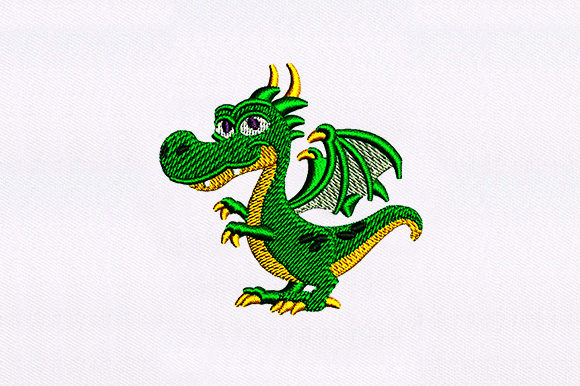
The initial review of the Happy Little Dragon digitization reveals a character-driven aesthetic that balances playfulness with structural integrity. For a small shop product or Etsy seller, the mood is paramount. This design avoids overly complex shading that can become muddy on textured fabrics, instead opting for clean lines and distinct color blocks. The personality feels approachable and gender-neutral, making it versatile for both feminine pastel collections and rustic, earth-toned unisex hoodies.
From a layout perspective, the dragon’s proportions are well-suited for center chest placement on oversized hoodies or left-chest positioning on crewneck sweatshirts. The silhouette reads clearly even at smaller sizes, which is crucial for sleeve accents or pocket placements. Unlike generic clip-art conversions, this embroidery file appears to have been digitized with garment construction in mind. The "happy" expression translates well through stitch direction, creating a tactile quality that invites touch—a key selling point for handmade products where sensory experience drives customer engagement.
Technical Performance on Heavyweight Fleece
Sweatshirt embroidery presents unique challenges due to the loft and stretch of French terry and fleece fabrics. When testing Happy Little Dragon, several technical factors determine its success in commercial embroidery settings:
- Stitch Density Management: The design must avoid excessive density that causes puckering on knit fabrics. Happy Little Dragon utilizes appropriate underlay stitching to stabilize the fleece without creating a bulletproof patch effect. This ensures the garment remains soft and wearable rather than stiff.
- Fabric Texture Interaction: Fleece tends to swallow fine details. This design accounts for that by maintaining adequate spacing between color changes and avoiding micro-text that might get lost in the pile. The bold features ensure readability against dark navy, charcoal, or sage green backgrounds common in boutique collections.
- Stabilizer Compatibility: For optimal results with this machine embroidery design, I recommend a medium-weight cutaway stabilizer to prevent distortion during washing. The design’s pull compensation appears calibrated for knits, reducing the risk of registration errors when hooping stretchy sweatshirt material.
- Thread Color Contrast: The digital embroidery file supports vibrant thread colors that pop against neutral bases. However, designers should test tone-on-tone variations for a subtle, premium look. The design holds up well in monochromatic palettes, relying on stitch texture rather than color contrast for visual interest.
Strategic Placement for Boutique Collections
Versatility increases the ROI of any design asset. Happy Little Dragon offers multiple application points for creative entrepreneurs building a cohesive brand identity. Beyond the standard front placement, consider these strategic options for custom apparel:
- Oversized Hoodie Backs: Scale the design up for a statement back piece. The fairy tale theme works exceptionally well here, turning a basic hoodie into a collectible item. Ensure your hoop size accommodates the larger format without compromising stitch quality at the edges.
- Sleeve Accents: A smaller iteration of the dragon on the wrist or upper arm adds perceived value. This detail signals "boutique brand" quality to buyers browsing Etsy listings or Instagram shops.
- Cozy Seasonal Apparel: Pair this design with warm, autumnal, or winter colorways. The character evokes nostalgia and comfort, aligning perfectly with seasonal marketing campaigns for loungewear and pajama sets.
- Lifestyle Product Photography: The design’s clear outline makes it easy to photograph. Use printable mockups to showcase the dragon on various garment colors before committing to production. High-quality visuals of the finished product build buyer trust and reduce return rates.
Commercial Viability and Brand Value
For digital sellers and apparel decorators, time is money. A poorly digitized file leads to thread breaks, re-hooping, and wasted blanks. Happy Little Dragon demonstrates efficient run paths that minimize trims and jumps, streamlining production runs for small businesses. Efficient stitching directly impacts profit margins on handmade products.
Furthermore, consistent design quality reinforces brand recognition. Customers returning to an Etsy seller or boutique website expect reliable craftsmanship. Using professionally evaluated files like this one ensures that the tenth sweatshirt looks identical to the first. This consistency fosters loyalty and justifies premium pricing. The fairy tale motif also taps into evergreen trends, providing longevity beyond fleeting fashion cycles. It bridges the gap between children’s wear and adult nostalgia, expanding your potential customer base.
File Format Accessibility and Production Readiness
One of the strongest practical advantages of this release is the comprehensive format inclusion. Whether you operate a single-needle home machine or a multi-head commercial setup, compatibility is rarely an issue. The Happy Little Dragon package includes:
- 10O, ART, CND, DSB, DST, DSZ
- EXP, HUS, JEF, PCS, PEC, PES
- TAP, VIP, VP3, XXX
This extensive list covers major brands including Brother, Janome, Bernina, Husqvarna Viking, Pfaff, Singer, Tajima, Barudan, and ZSK. For commercial embroidery shops running DST or TAP formats, having native files reduces conversion artifacts that can plague third-party software translations. However, always verify specific hoop size requirements and stitch counts within your machine’s software before loading the file. While the formats are universal, machine capabilities vary. Checking these specifications prevents mid-production surprises and ensures the design fits your intended placement area.
Elevating the Handmade Presentation
Ultimately, Happy Little Dragon succeeds because it respects the medium. It acknowledges that embroidery is a textile art form with physical constraints, not just a digital illustration. For creative entrepreneurs, this distinction matters. Buyers can tell the difference between a flat, dense patch and a design integrated into the garment’s drape.
When listing this item, emphasize the tactile qualities enabled by thoughtful digitization. Describe the softness of the stitch-out and the durability after washing. Highlight how the fairy tale theme brings joy to everyday wear. These narratives convert browsers into buyers. By choosing technically sound design assets, you protect your reputation and elevate your entire collection. In the competitive landscape of custom apparel, excellence in execution is what separates hobbyists from established brands. Happy Little Dragon provides the foundation for that excellence, offering a blend of charm and technical reliability essential for modern boutique success.