Winter Ginger 01 Applique: A Designer’s Review
As an embroidery designer who constantly evaluates files for both personal enjoyment and commercial viability, I approach every new machine embroidery design with a critical eye. It is not enough for a digitized file to simply look good on a screen; it must perform under the needle and add tangible value to the final product. When I first loaded Winter Ginger 01 Applique into my software, I was looking for more than just a festive motif. I was assessing its structural integrity, its marketability for holiday collections, and its versatility across different substrates. This review breaks down my practical experience with this design, specifically focusing on how it translates from a digital file to a high-quality handmade product.
First Impressions and Visual Personality
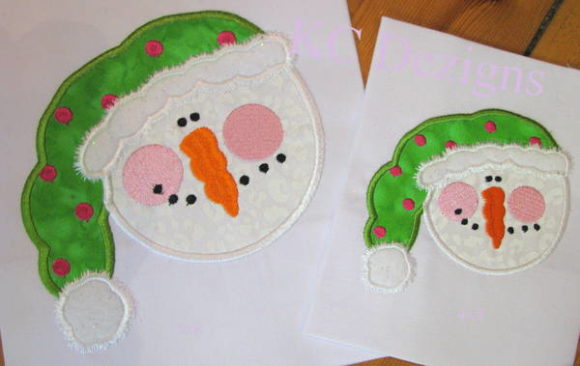
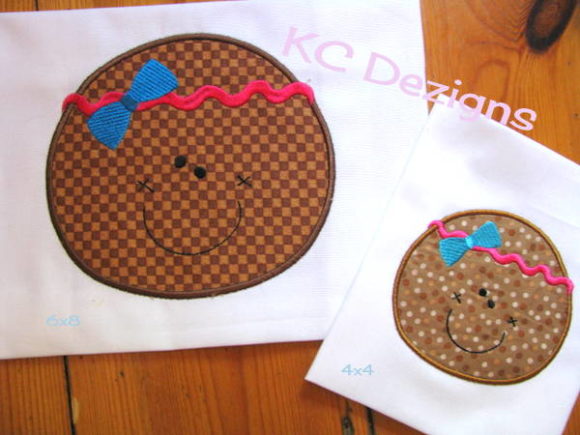
The immediate mood of Winter Ginger 01 Applique is nostalgic yet clean. In the crowded niche of holiday embroidery, it is easy to find designs that are either overly complex or too generic. This design strikes a balance that appeals to modern makers and traditionalists alike. The ginger theme suggests warmth and texture, which is visually communicated through the appliqué layers rather than excessive stitch density. As a reviewer, I appreciate when an applique design uses fabric to do the heavy lifting for color and texture, reducing the stitch count while increasing the tactile quality of the piece.
The layout feels intentional. It does not appear stretched or awkwardly proportioned, which is a common issue in lower-quality digitizing. The visual weight is centered, making it suitable for placement on symmetrical items. For an Etsy seller or boutique owner, this visual balance is crucial because it photographs well. The design has enough character to stand alone as a focal point but remains refined enough to pair with personalized text or additional seasonal accents without looking cluttered.
Real-World Application: Stitching Out a Holiday Tea Towel
To truly evaluate Winter Ginger 01 Applique, I moved beyond the simulation software and prepared a real-life test case. I chose a linen-cotton blend tea towel, a staple item for small shop product lines during the winter season. Tea towels present specific challenges: they require frequent washing, they have a distinct weave that can distort stitches, and they need to lie flat after laundering. This made it the perfect stress test for the design's durability and registration.
During the stitching process, the placement lines were clear and accurate. A poorly digitized appliqué often suffers from gaposis—where the fabric edge pulls away from the securing stitches—but Winter Ginger 01 Applique held its registration impressively well. The satin stitch borders were smooth and adequately covered the raw edges of the appliqué fabric without tunneling. I used a medium-weight cotton for the appliqué layer, and the design accommodated the thickness without causing puckering on the base towel. For a craft business producing kitchen textiles, this reliability reduces waste and increases production confidence.
The finished result had a professional, boutique-ready appearance. The ginger elements popped against the natural linen background, creating a cozy aesthetic that customers associate with high-end holiday decor. If I were listing this as a personalized gift option, I would feel confident in its longevity and washability, provided the correct stabilizer was used during production.
Versatility Across Products and Substrates
While the tea towel test was successful, a versatile embroidery file must work across multiple categories. Based on the stitch structure and visual style of Winter Ginger 01 Applique, I see strong potential in several other areas:
- Custom Apparel: This design would translate beautifully to sweatshirt embroidery. The appliqué adds warmth and dimension that pairs perfectly with fleece or French terry fabrics. However, ensure you use a cutaway stabilizer to support the stretch of the knit fabric.
- Tote Bag Design: Canvas totes are excellent carriers for this motif. The sturdy nature of canvas supports the satin borders well, and the ginger theme aligns with eco-friendly, rustic holiday shopping trends.
- Baby Embroidery: Because appliqué is generally softer and less dense than full fill stitch, this design is suitable for nursery blankets or bibs. Just verify the size; if scaling down significantly, check that the smallest details remain open and do not become thread clumps.
- Embroidered Patch: With a slight modification to add a merrowed edge or felt backing, this could serve as a standalone patch for jackets or caps, expanding your design assets inventory.
Technical Considerations and Cautionary Notes
No design is universal, and professional judgment requires knowing where not to use a file. While Winter Ginger 01 Applique is robust, there are scenarios where caution is necessary. I would hesitate to use this on highly textured fabrics like thick terry cloth or boucle without significant testing. The texture can interfere with the crispness of the appliqué edges, potentially leading to fraying or uneven coverage.
Additionally, be mindful of hoop size limitations. Always check the specific dimensions of your purchased file before committing to a project. If you are working near the maximum capacity of your hoop, tension issues can arise. For those considering this for commercial embroidery on curved surfaces like caps, I recommend a test run first. Appliqué on curved surfaces requires precise trimming and stabilization; if the design has wide horizontal spans, it may distort on a structured cap front.
Fabric choice matters immensely for color contrast. Since this is a ginger-themed design, using a dark brown or black base fabric might cause the darker outline stitches to disappear visually. Always test thread colors against your specific garment color. A light grey or cream outline stitch might be necessary on dark backgrounds to maintain definition, even if the original digitizing calls for brown. This small adjustment can save a finished product from looking muddy in photos or in person.
Designer Notes for Professional Results
For fellow makers and business owners integrating Winter Ginger 01 Applique into their workflow, here are my practical recommendations to ensure success:
- Always Test First: Never stitch directly onto a sellable item without a sample. Use scrap fabric of the same weight and weave as your final product to check tension and registration.
- Stabilizer Selection: Match your stabilizer to the fabric, not just the design. Woven fabrics like tea towels often do well with tear-away, while knits and apparel require cut-away. Using the wrong stabilizer is the most common cause of appliqué failure.
- Check Licensing: Before selling items featuring this design or including it in digital embroidery file bundles, confirm the license terms. Ensure you have the right to sell physical custom apparel or handmade goods derived from this asset.
- Mockup Strategy: When creating a printable mockup for your online store, use realistic textures. Flat vector representations do not convey the charm of appliqué. Show the texture of the fabric layers to help customers understand the value of the handmade product.
- Thread Management: Appliqué requires thread changes. Plan your color sequence efficiently to minimize machine stops if you are running multiple units. Consistent thread tension is key for that professional, retail-ready look.
Elevating Your Holiday Collection
Winter Ginger 01 Applique represents a solid investment for embroiderers focused on quality over quantity. Its strength lies in its classic appeal and technical soundness, making it a reliable workhorse for Christmas projects ranging from kitchen textiles to cozy apparel. By understanding its behavior on different fabrics and respecting the technical requirements of appliqué, you can leverage this design to create products that build customer trust and enhance your brand’s reputation. Whether you are a hobbyist making gifts or an Etsy seller stocking up for the season, this design offers the versatility and charm necessary for successful holiday embroidery.