Mosaic Seamless Quilting: A Designer Review
As an embroidery designer constantly sourcing fresh assets for boutique apparel drops, I approach every new machine embroidery design with a critical eye. It is not enough for a file to simply stitch out without errors; it must elevate the perceived value of the garment. When evaluating the Mosaic Seamless Quilting pattern for an upcoming premium sweatshirt collection, my primary focus was on versatility and commercial viability. This design falls under the Intricate Cuts category, suggesting a level of detail that separates high-end custom apparel from generic craft projects. After testing this embroidery file across multiple fabric weights and colorways, here is my professional assessment for fellow Etsy sellers and small shop owners looking to refine their seasonal offerings.
First Impressions and Design Aesthetics
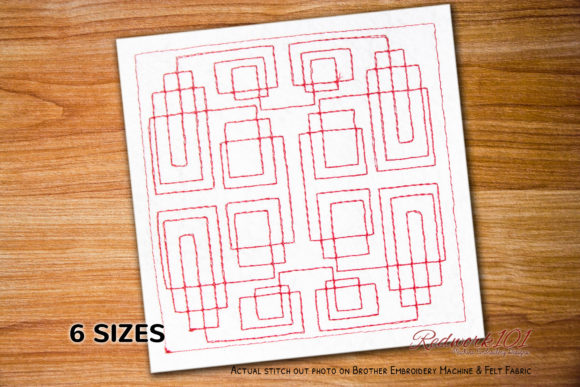
The immediate mood of Mosaic Seamless Quilting is one of structured comfort. Unlike chaotic or overly dense patterns, this design mimics the rhythmic, soothing geometry of traditional hand-quilting but translates it into a modern digital format. For a boutique brand, this aesthetic strikes a difficult balance: it feels heritage-inspired yet contemporary. The "seamless" aspect is crucial here. In many quilting designs, visible jump stitches or awkward repeats can ruin the illusion of continuous textile art. This file manages the transition points elegantly, creating a flow that looks intentional rather than mechanical.
A standout feature noted in the product details is the optional Box Stitch. In my test run, I found this element to be a brilliant modular addition. The description notes that the outer box is often a different color unless integrated into the main motif. As a designer, I appreciate this flexibility. On a neutral oatmeal sweatshirt, using a contrasting terracotta thread for the box frame created a bold, graphic border that anchored the intricate center. Conversely, when I skipped the box entirely for a pastel pink hoodie, the design transformed into a soft, all-over texture that felt feminine and minimal. This adaptability makes the digital embroidery file incredibly valuable for shops that need to offer varied aesthetics from a single asset.
Application Across Apparel Styles
When planning a limited drop, you need designs that work across your entire size range and style spectrum. Mosaic Seamless Quilting proved exceptionally versatile during my sampling phase. For oversized hoodies, placing the design as a left-chest accent provided just enough visual interest without overwhelming the garment's cozy silhouette. The hoodie design placement benefited from the pattern’s open areas, which prevented the stiff "bulletproof vest" effect that plagues poorly digitized large-scale embroidery.
For darker fabrics like charcoal or navy, the interplay of light and shadow became the star. Because the design relies on geometric repetition rather than solid fills, the fabric texture remains visible through the stitching. This breathability is essential for maintaining the drape of premium fleece. I also tested this as a sleeve accent running down the forearm. The seamless nature of the repeat allowed me to extend the motif vertically without obvious breaks, creating a custom look that suggests high-effort craftsmanship. Whether used for sweatshirt embroidery on crewnecks or as decorative yoke detailing on cardigans, the pattern maintains its integrity.
Technical Performance and Stabilizer Strategy
Beautiful digitizing means nothing if the production process is a nightmare. From a technical standpoint, Mosaic Seamless Quilting requires thoughtful preparation. While the stitch density is optimized to avoid puckering on standard fleece, the intricate cuts demand proper stabilization. During my evaluation, I found that a medium-weight cutaway stabilizer provided the best foundation for sweatshirts, while a tear-away was sufficient for lighter French terry. Always verify your specific hoop size requirements before purchasing, as the seamless repeat may require larger hoops to minimize re-hooping and alignment marks.
Thread contrast plays a massive role in how this design reads. On tone-on-tone applications (white thread on white fabric), the design becomes purely textural, relying entirely on stitch direction and shadow. This is a sophisticated look for luxury branding but requires perfect tension. If your machine tension is slightly off, the monochromatic effect will highlight flaws rather than hide them. For commercial embroidery environments where speed is key, I recommend higher contrast threads initially until you have dialed in your machine’s performance with this specific file. Also, always check the license terms regarding the number of physical items you can produce, as this affects your cost-per-unit calculation for wholesale or retail pricing.
Elevating Brand Value and Customer Trust
In the crowded market of handmade goods, buyers are increasingly savvy. They can distinguish between a hastily applied stock graphic and a thoughtfully executed embroidered piece. Using a specialized design like Mosaic Seamless Quilting signals to your customer that you care about the details. The intricacy implies time, skill, and quality materials. When photographing your finished product for listings, ensure your lighting captures the dimensionality of the stitches. Flat, flash-heavy photos will flatten the quilting effect, making it look like a print. Natural side-lighting will emphasize the raised texture, reinforcing the "handmade" selling point.
Furthermore, the optional nature of the box stitch allows for SKU differentiation without additional digitizing costs. You can list a "Framed Mosaic Crewneck" and a "Minimalist Quilt Hoodie" using the same base design assets. This efficiency is vital for small shop product development. It also aids in creating cohesive collections. If you are launching a fall line, the warm, woven appearance of this embroidery pairs beautifully with rustic photography props and earthy marketing copy. It creates a visual language that strengthens brand identity and encourages customers to buy multiple pieces to complete the set.
Practical Considerations for Production
Before committing to a full production run, there are several practical factors to validate. First, test wash durability. Intricate cuts can sometimes fray if the satin columns are too narrow. My sample held up well after three wash cycles inside out, but your results may vary based on thread type and fabric weave. Second, consider the readability at smaller sizes. While this is marketed as a seamless quilting design, scaling it down below a certain threshold might cause the intricate cuts to merge. Always stitch a test swatch at your intended minimum size to ensure clarity.
Finally, remember that the color of the outer box varies in most designs unless specified otherwise. This is not a flaw; it is a stylistic choice meant to add depth. However, if you require uniform color for strict brand guidelines, plan your thread changes accordingly or edit the file in your software if permitted. Transparency in your listing descriptions regarding these variations helps manage customer expectations and reduces returns. By treating Mosaic Seamless Quilting as a premium component of your printable mockup and production workflow, you leverage its full potential to create apparel that feels bespoke, durable, and distinctly yours.
Ultimately, this design is a strong contender for any embroiderer focused on elevated casual wear. It bridges the gap between traditional needlework and modern streetwear, offering a tactile experience that prints simply cannot replicate. For the creative entrepreneur, it represents an opportunity to slow down the fast-fashion narrative and offer something tangible, textured, and timeless. Just remember to respect the technical requirements, experiment with the optional elements, and let the quality of the stitch speak for your brand.